

Owning rental properties isn’t just about collecting rent — it’s about protecting an appreciating asset that, if well-maintained, keeps delivering returns year after year. Regular maintenance is a powerful way to extend the lifespan of a property, preserve tenant satisfaction, and prevent costly surprises that can erode cash flow.
Key Takeaways for Smart Property Owners
- Regular annual maintenance helps prevent costly repairs and preserves property value.
- Prioritize systems that affect habitability and safety first — HVAC, roofing, and plumbing.
- Use structured maintenance checklists to track inspections and seasonal upkeep.
- Keep organized, digital records of all service work, warranties, and repairs.
- Preventive maintenance pays for itself through reduced vacancies and better tenant retention.
Where to Start: The Critical Systems That Protect Your Asset
For rental property owners, maintenance isn’t optional. Instead, it’s part of your profit equation. The roof, HVAC system, plumbing, and foundation are your first lines of defense against deterioration. A neglected water leak or heating issue can quickly translate to higher turnover or costly emergency repairs.
Ensure these core systems are inspected at least annually:
- HVAC Systems: Clean filters, inspect ducts, and schedule a professional service every spring or fall to keep units efficient and compliant with local energy codes.
- Roof and Gutters: Check for loose shingles, leaks, or drainage blockages. Overflowing gutters can lead to foundation damage and interior leaks.
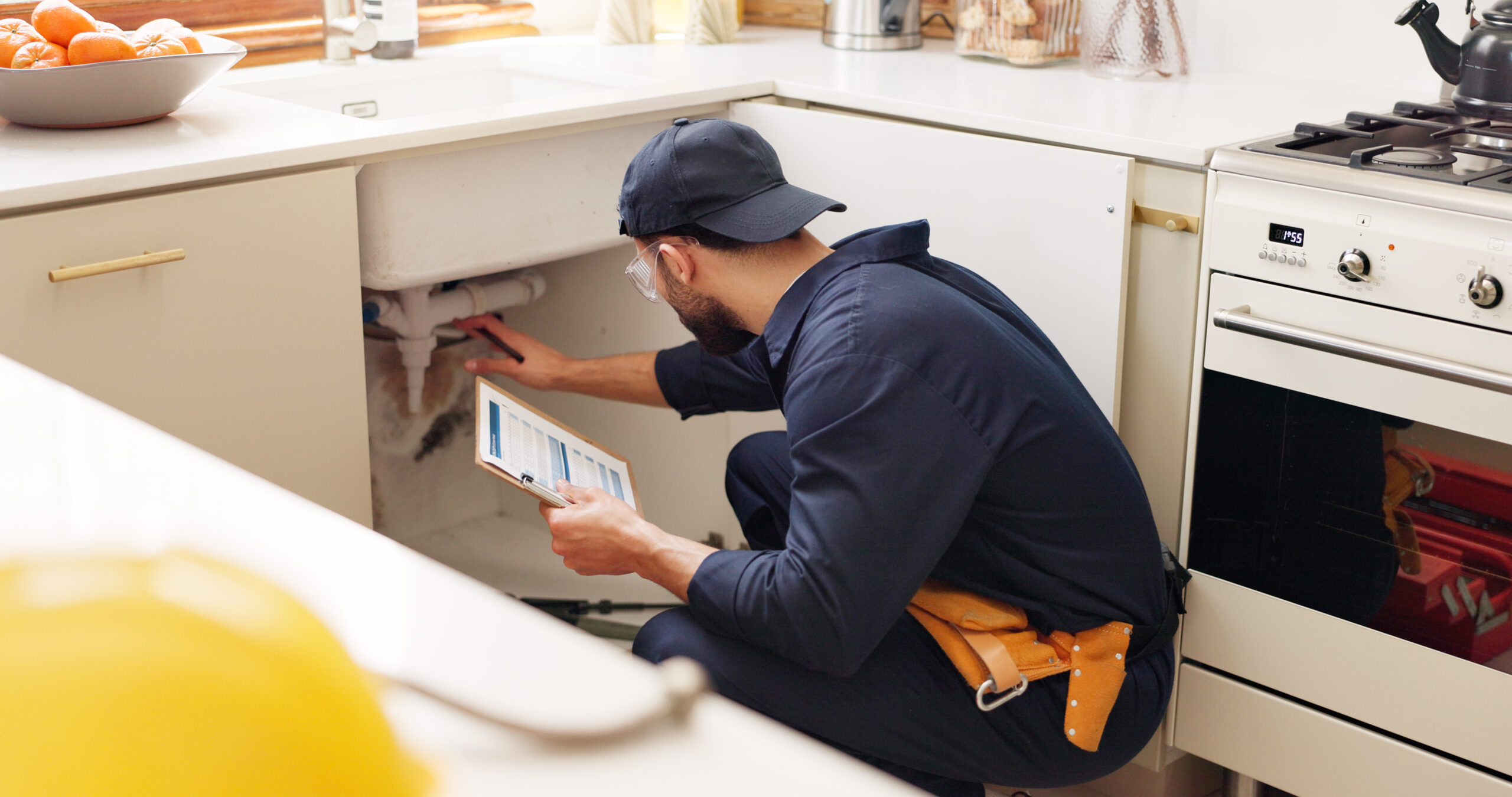
- Plumbing Lines: Inspect for leaks under sinks and in crawl spaces. A small drip today can become structural damage tomorrow.
- Electrical Systems: Ensure outlets, breakers, and smoke alarms are functioning properly — essential for both safety and insurance compliance.
An inspection schedule not only reduces surprises but also demonstrates to tenants that you care about the property’s condition, a subtle but powerful retention factor.
A Proactive Approach: Annual Maintenance Checklist
To maintain consistency across multiple properties or units, property owners should follow a structured yearly checklist. Before using this list, set a reminder in your property management calendar to repeat these tasks every 12 months.
Annual Property Maintenance Checklist:
- Inspect HVAC filters, ducts, and thermostat calibration.
- Check smoke and carbon monoxide detectors; replace batteries.
- Examine roof, gutters, and downspouts for wear or blockages.
- Test sump pumps and inspect the foundation for cracks or moisture.
- Service water heaters. Drain sediment and inspect safety valves.
- Check window seals, caulking, and door weatherstripping.
- Pressure wash exterior siding and decks; reseal wood if necessary.
- Trim landscaping to prevent pest harborage and foundation issues.
- Inspect for pest intrusion and renew preventive treatments.
- Review lease clauses for maintenance responsibilities and update as needed.
A structured checklist not only simplifies management but also creates a repeatable process your team or property manager can follow year after year.

Keeping Maintenance Organized in the Digital Age
One of the biggest pain points for property investors is tracking inspections, receipts, and warranties across multiple properties. Paper folders or random email chains can easily lead to lost documentation when it’s needed most.
Homeowners and investors can save time by consolidating records into a single digital file. Combining inspection reports, receipts, and service contracts in one location makes it far easier to prepare for future upkeep — or to share information when selling a property.
Streamline this process easily with tools to merge PDFs. With these online utilities, you can quickly merge multiple PDFs into a single master document. Keeping your maintenance history consolidated ensures you can verify past work, plan future upgrades, and share records with contractors or buyers in seconds.
Balancing Cost and Long-Term Value
Annual maintenance is not a cost; it’s a reinvestment in asset stability. For investors managing multiple units, consistent upkeep increases net operating income (NOI) through:
- Higher tenant satisfaction: Well-maintained properties rent faster and command premium rates.
- Reduced emergency costs: Planned maintenance avoids expensive “panic repairs.”
- Predictable capital expenditure cycles: Scheduled updates to roofs, appliances, or HVAC systems allow for better budgeting.
The following table outlines common maintenance categories and their approximate return on prevention value.
| Maintenance Category | Typical Annual Cost per Unit | Estimated Savings (Prevented Issues) | ROI Estimate |
| HVAC servicing | $150–$250 | Avoids $2,000+ in system failure costs | 700%+ |
| Roof & gutter inspection | $200–$300 | Prevents $5,000–$10,000 water damage | 1,500%+ |
| Plumbing & leak checks | $100–$200 | Prevents $3,000–$8,000 flood remediation | 1,000%+ |
| Appliance tune-up | $50–$100 | Extends appliance life by 2–3 years | 300%+ |
| Exterior cleaning & sealing | $200 | Prevents siding rot and paint degradation | 400%+ |
These numbers demonstrate a simple truth: proactive maintenance doesn’t just protect — it multiplies value.
Seasonal Touchpoints That Protect Year-Round Revenue
While annual inspections form your foundation, seasonal maintenance keeps systems responsive and tenants comfortable:
- Spring: Check irrigation systems, gutters, and landscaping drainage.
- Summer: Inspect HVAC cooling efficiency and address pest barriers.
- Fall: Clean chimneys, service furnaces, and clear leaf buildup.
- Winter: Insulate pipes, check weather seals, and prepare emergency kits.
For multi-unit property owners, scheduling preventive visits before seasonal demand spikes ensures contractor availability and minimizes downtime.
Frequently Asked Questions: Property Owner’s Annual Upkeep Guide
Before closing, here’s a focused Q&A section that addresses real-world investor questions about property maintenance economics.
- How often should I schedule full-property inspections?
For rentals, a comprehensive inspection once per year is standard, but high-turnover properties may need semi-annual visits. This ensures small issues (like leaks or wear) are caught before they affect habitability or insurance compliance. - Should I handle maintenance myself or hire professionals?
For minor cosmetic repairs, a skilled property manager can coordinate or handle them directly. However, licensed professionals should always perform work involving plumbing, electrical systems, HVAC, or roofing — especially to preserve insurance coverage. - How can I budget maintenance across multiple units?
A common rule is to set aside 1–2% of each property’s value annually for maintenance. Portfolio owners often maintain a dedicated reserve fund to cover capital improvements and emergencies. - How can digital records improve property value?
Well-documented maintenance histories help validate care and compliance during appraisals or sales. Buyers and lenders often view records as a sign of reduced risk. - How do maintenance costs affect long-term ROI?
Regular upkeep minimizes vacancy rates and prevents expensive replacements. In many cases, preventive maintenance can increase a property’s lifetime ROI by 10–20% through avoided costs and higher rent premiums. - What’s the best time of year to complete major maintenance?
Spring and fall are ideal for major repairs. Temperate weather minimizes weather-related delays and allows HVAC, roofing, and exterior work to be completed efficiently before seasonal demand peaks.
Maintenance as a Profit Strategy
Annual property maintenance isn’t just about preventing breakdowns — it’s about building resilience into your investment model. Owners who treat maintenance as a strategic practice, not a chore, experience higher yields, fewer surprises, and stronger tenant relationships. In real estate, predictability equals profitability — and that starts with a proactive plan for keeping your properties in top condition.
This content is provided for general informational and educational purposes only and does not constitute financial, legal, tax, or investment advice. Readers should consult with licensed professionals regarding their specific circumstances.
We are pledged to the letter and spirit of U.S. policy for the achievement of equal housing opportunity throughout the Nation. See Equal Housing Opportunity Statement for more information.
